Popular Post

Showing posts with label Painting. Show all posts

Metal Painting

In this article let us together learn how to paint METAL surfaces like Roof Painting and other metal painting. 


We are a strong advocate of clean and healthy preparation of the paint surface before painting. Proper preparation not only saves resources to the owner but it does ensure the longevity of the surfaces (metal or wood) and the topcoats. Cleaning and applying the right primer does make a lot of difference. Even premium metal primer and paint tend to lose their sheen (Learn Sheen) if proper surface preparation is not accorded. So do clean and prepare thoroughly before you put your hands on the brush and the rollers. Here we have a few ways to paint any metal surface:

Clean Metal surface: The metal surface should be free from dirt, grease, old paint and rust.  Remove all of them with the help of sandpaper, pressure wash if possible, or some mineral spirits. Cleaning with detergent water could also help wash some dirt.

Peel off loose or peeling paint: Old paint that is loose and peeling off should be removed completely. One can use hand wire brushing, scraping, and sanding (Learn Sanding) techniques for removing old paint. While sanding with a power tool may be faster, they could polish the metal surface abrasively giving adhesion problems.

Remove Rust: Rust is one major issue in metal painting. It affects the adhesion of the paint. So it is very much important to remove the rust deposit before applying the paint. Sparse rust on the metal can be cleaned by brushing and sanding. Using a premium primer on rust affected metal surfaces could bear better results. Painting on a rusted surface will damage both the surfaces and the paint applied.

Repair holes and dents: After removing rust, if there are holes and dents on the roof or surface, fix them to the shape and fill them up with appropriate fillers or sealants. Check with the hardware or paint shop for the sealant options.  

Right Primer: As endorsed in our previous post, priming (Learn Priming )is one of the most important parts of the painting. Water-based primers don’t go good on metal surfaces. The primer available in our market that prevents rust is Iron Oxide.  Check for other options that help averts rusting with the shopkeeper. Apply the primer immediately after surface preparation. This help to keep away flash rusting (corrosion of wet iron) and accumulation of dust on the surface.

Whether you are painting the metal roof, gate or door, the painting process and taking precaution remains the same. Clean the surface properly of any dust or grease, take out any loose or peeling paint, and discard rust. As soon as cleaning and preparation are done, apply a primer coat. Consider enough drying time before applying paint. It's safer to refer to the product description for better results as drying time varies with paint brands.  

Masking in Painting

In today’s post, we bring to you the concept of MASKING in painting work. Not a prevalent practice in the Bhutanese painting market, the understanding of proper painting methods and their future implication are least considered but the cost is put first and fast. Keeping these entire aside, we hope this information help in one way or other at some point in time.    


Masking
Masking   Pic-Internet

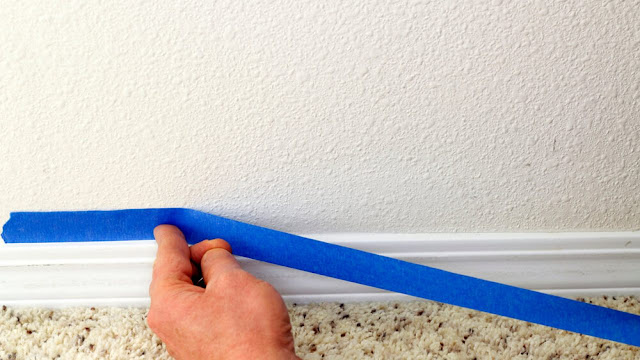
Well, masking in painting refers to a process where masking tape is covered on certain areas which are not intended for painting. Painting is a messy job; paint gets onto anything that’s not covered. So masking as a preparation before painting is a primary task that attributes to proper finishing, maintaining an accurate line of colours, and ease post painting like cleaning and minimising resource spending.

Though the masking benefits are abundantly but somehow inapplicable in our market, we have narrowed the understanding that is doable as follows;

1.     It takes far more time to clean up paint that ends up where it doesn’t belong than it takes to prevent the paint from getting there in the first place. Masking reduces clean up time. For ex. as in the picture, masking off windows with tape and plastic (used newspaper in our case) protects them from paint spatter. This saves time from scraping up paint dots on the glass.

  1. Proper masking speeds work. So long masking tape is done firmly, paint bleeding is a minor issue compared to trying to paint along with trim without getting spots of paint in the wrong place.
  2. Masking allows you to paint on correct alignment without worrying much about the opposite side. Only those who tried the art of perfection know how difficult that is to maintain proper paint lines without masking.
  3. Masking enables a painter to look like a pro. They need not have to master fantastic cutting-in skills. Using tape keep lines straight and the paint where it belongs.
  4. Masking help maintain visual appeal as it was. Covering door hinges & knobs and other hard-to-remove hardware with masking tape or small plastic retains its originality. It not only irks the property owner but is amateur of the painting firm painting door knobs and hinges.  
  5. Using drop cloths across the floor or wherever relevant as masking ensures that floor surfaces are protected from paint drips.

When masking is not taken care of, the post painting becomes laborious and cost implications are obvious. Masking is a critical part of the painting preparations and worth effort for many reasons. The techniques for masking are the same for indoors or out, cover properly parts that are not intended to paint. Bam then do the brush stroking, roll the rollers or spraying that we use.

Note: You can remove hardware that is easy to replace, keep them in a separate plastic bag and put it back. Paint shields can be an option in larger area masking scenarios. Remove the MASKING when the paint is sticky but not entirely dry.

Featured Post

Buli Tsho

I am sorry it won’t be sensible unless you understand Khengkha. I have requested the caretaker do in Dzongkha, but he felt Khengkha would be...